

What comes next?
Lettuce celebrate
2nd September 2019
Nhlanhla Nene appointed non-executive director of Grobank
19th November 2019
Although employment and food security are amongst its key aims, Wouldn’t It Be Cool (WIBC) isn’t about providing jobs ‘for now’. One of the most crucial aspects of the programme is its focus on setting up participants for long-term success, so that they can continue to operate as successful, independent entrepreneurs long after they have repaid their initial loans. But what, exactly, does that success look like?
According to WIBC technical and operations director Halaliswe Msimang, the primary aim is to ensure that participants have established their own sustainable markets by the time they are ready to “stand alone”. Consequently, a large part of the training they receive is concerned with high level market and customer segmentation: “Entrepreneurs are tasked with identifying market gaps, and seeing how their products could fill that gap,” Msimang explains, adding that this is sound preparation for their time as independent entrepreneurs, when developing markets becomes central to success.
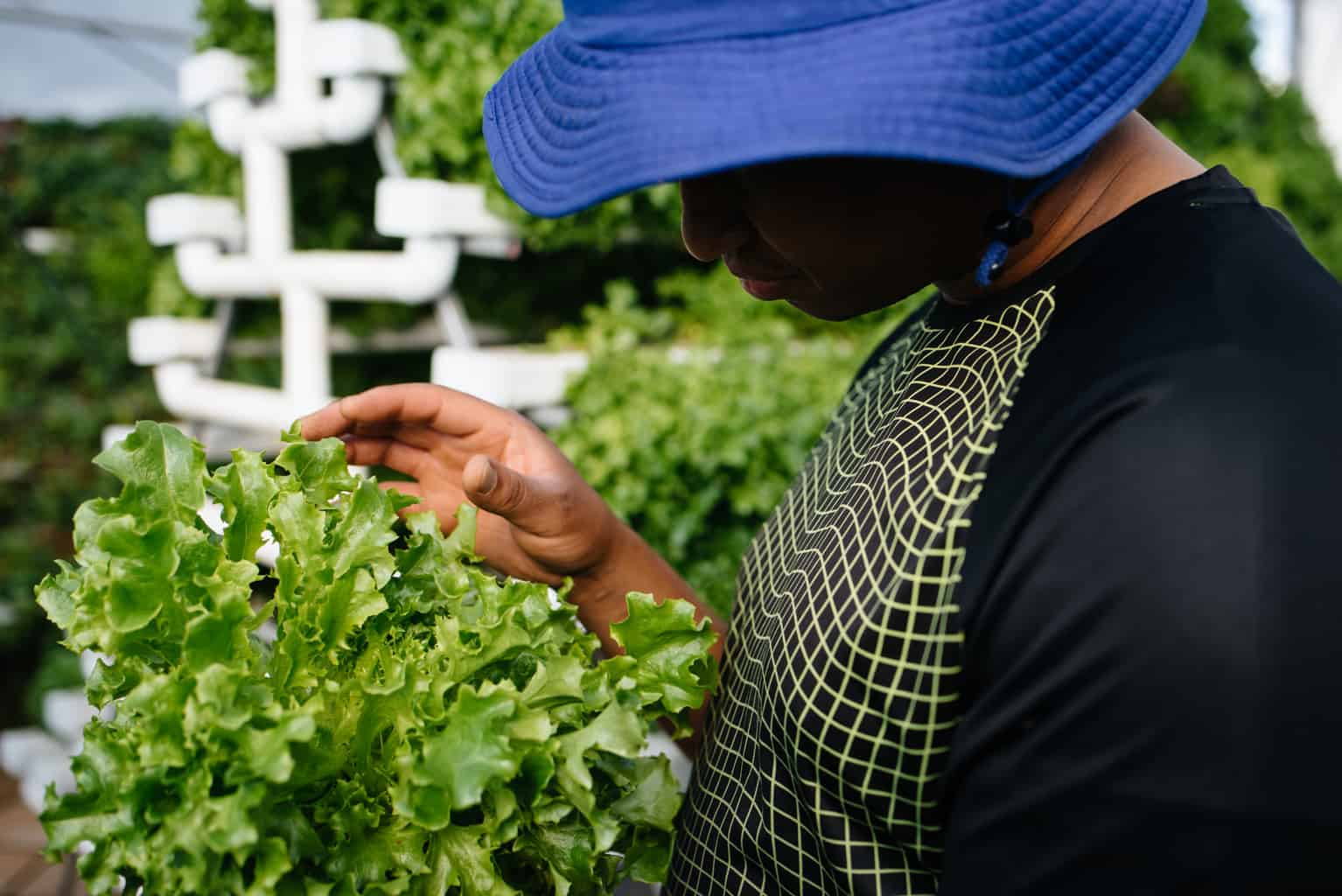
They are, moreover, encouraged to develop their own markets while still part of the programme, although there are tools in place to provide help in this regard. For example, the Hola Harvest marketing brand accepts produce from entrepreneurs on a sliding scale, purchasing 100% of the first harvest. This decreases to 70% by the third harvest.
Hola Harvest also provides assistance with marketing and branding while participants are part of the programme, packaging and distributing produce at no cost once it has been collected from the farmer. However, the farmers are encouraged to create forums, where they can collaborate to share logistical costs.
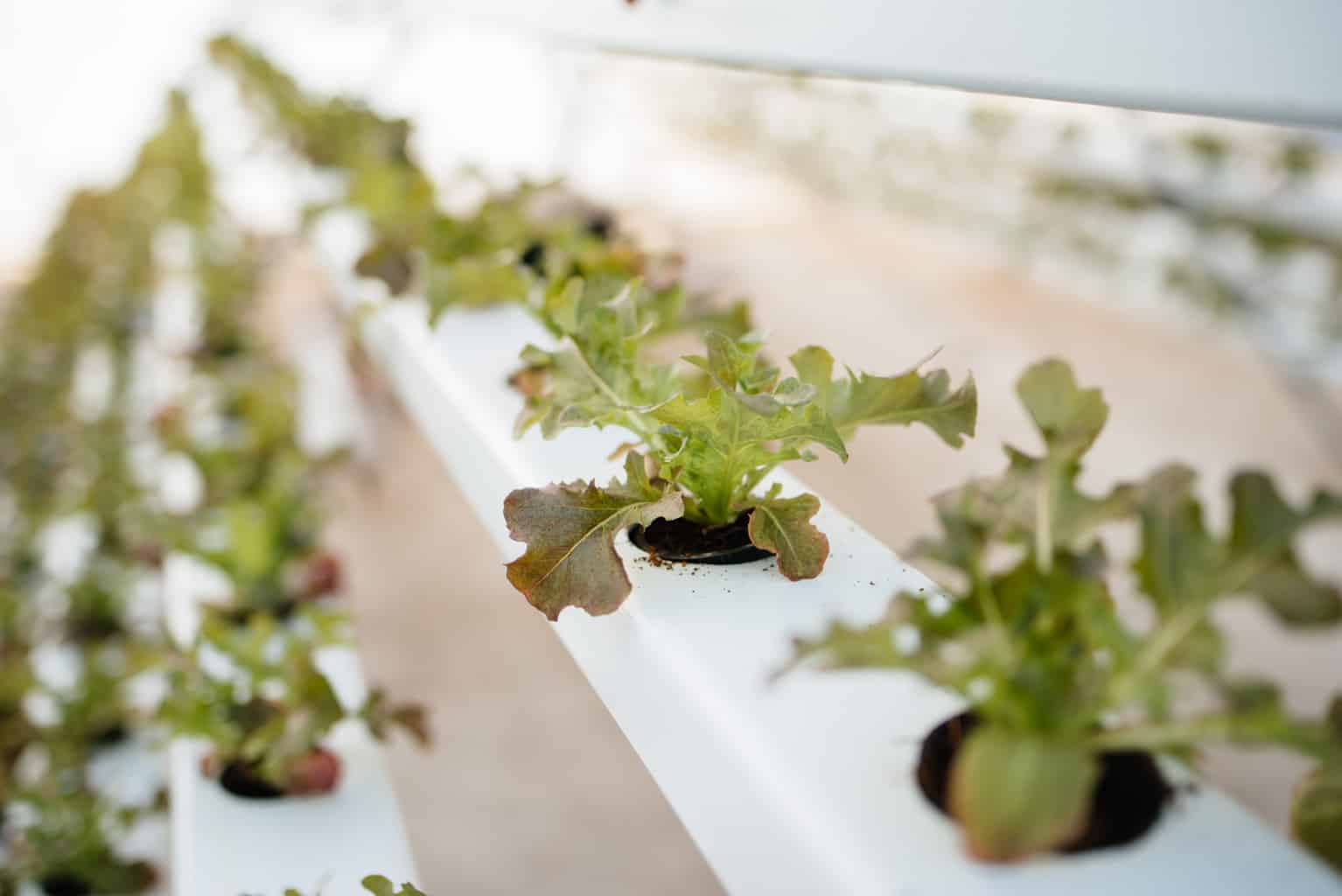
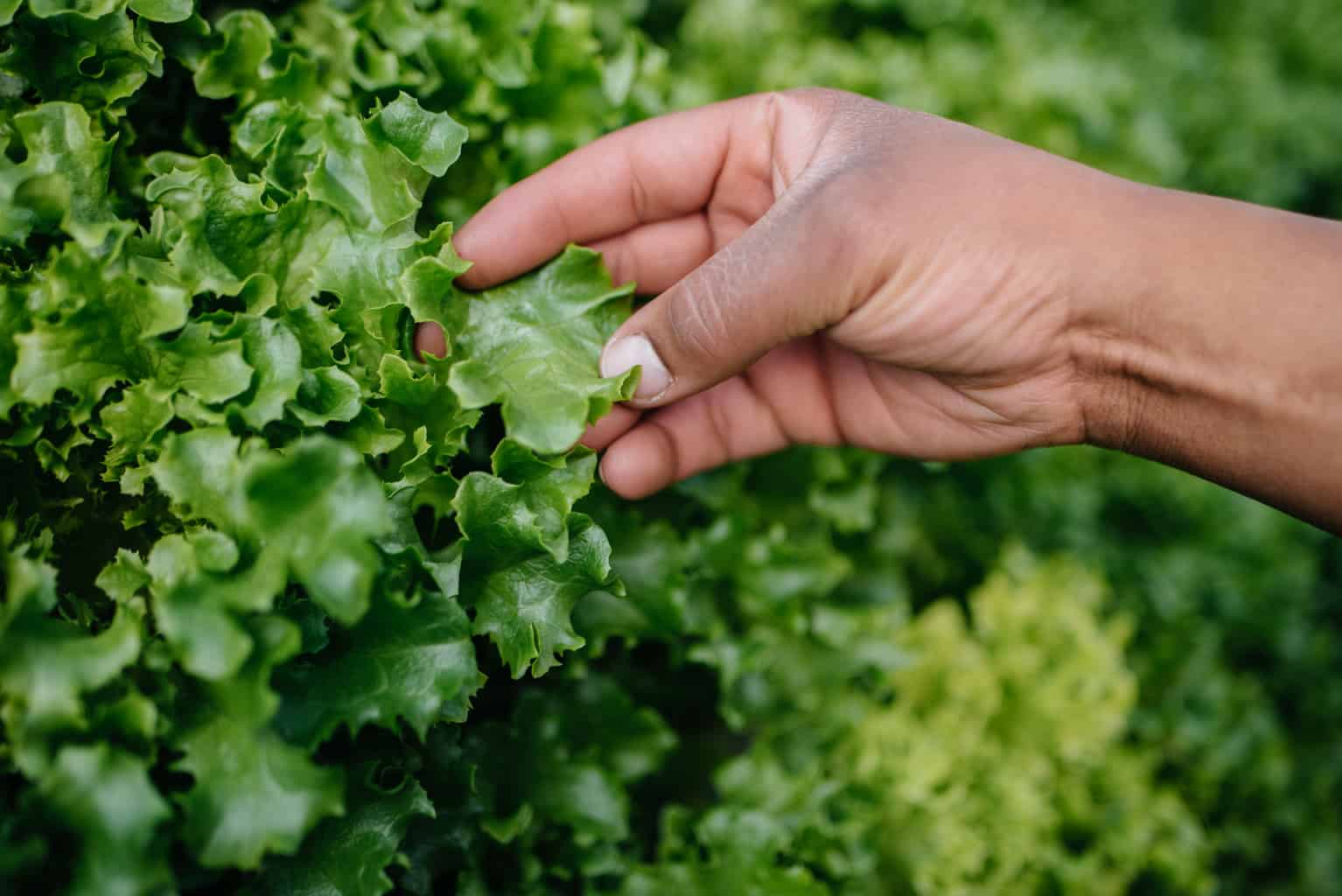
The challenges obviously arise when this assistance is no longer available, and the entrepreneurs find themselves competing in the open market. What happens then? Says Msimang, “The ideal would be to replicate the model at scale, because the bigger the operational space, the better the profit margins. It’s not only the entrepreneur that benefits. We would see an increase in jobs, which would ultimately lead to a healthier local economy.” But, she adds, scale remains a significant obstacle, because the farmers have neither the space not the capital to compete with traditional commercial farmers. “Moreover, they’re limited in terms of the type of produce that can be produced on the rooftop. The system works best for leafy greens. That said, we’ve rolled out farms on the ground which are capable of producing a variety of produce.”
Electricity costs are another hurdle, and have a significant impact on running costs. But this isn’t insurmountable: Msimang informs that WIBC is working with different institutions to find cheaper power sources, such as solar energy, which will help to mitigate costs after the initial expense of installation.
The ultimate goal, says Msimang, is for farmers to expand their production units; a goal most “yearn” for. Funding is key in this regard. “Our entrepreneurs understand that the sooner they repay their loan, the better their financial standing, so if funding is a possibility, our advice is to pay off their loans first, then look to grow and develop their operations with the remaining monies.”
Grobank is excited about this initiative that uses the agricultural sector as a way to fight urban unemployment and to secure much-needed housing for the homeless. As a Bank with the ambition to become a leading food and agricultural Bank, we are well positioned to support this initiative and enable the spreading of these micro enterprises like a wildfire. We are keen to support both the initiative and the individual entrepreneurs with comprehensive banking solutions. – Grobank CEO, Bennie van Rooy
Text by Lisa Witepski. Images by James Puttick.