

South Africa’s womenpreneurs: hustling against the odds

Small business cash flow revolution has arrived
8th February 2023
Access Bank Plc has invested R1.42 billion into South Africa’s Economy
22nd May 2023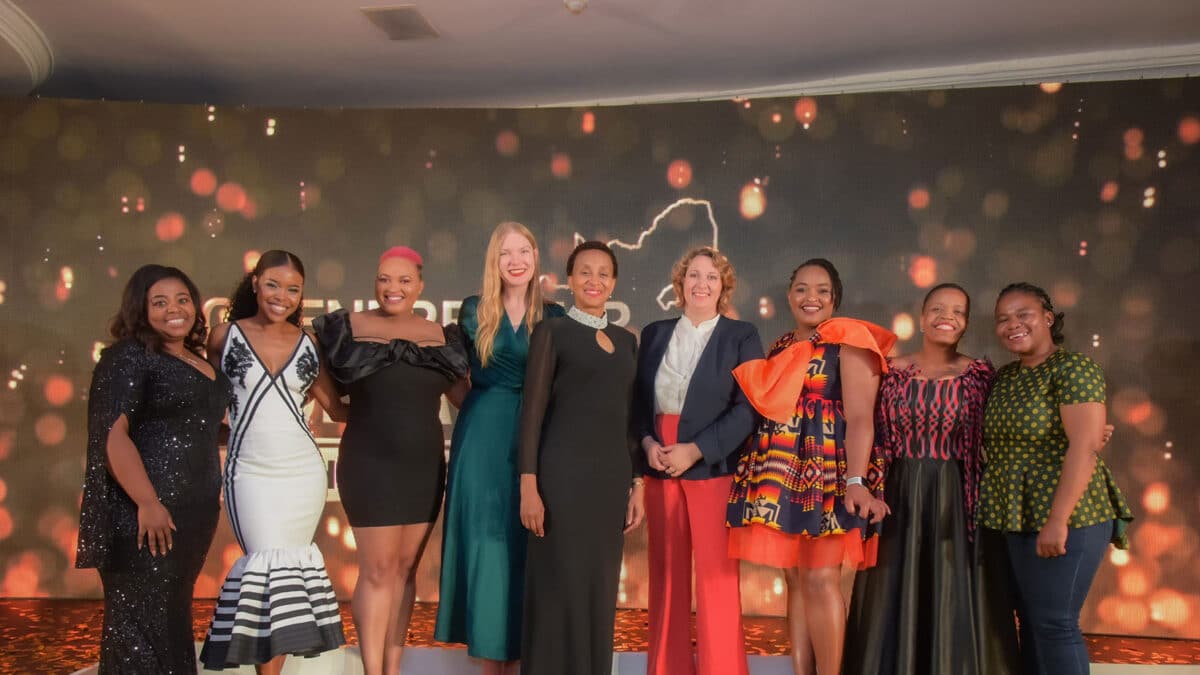
It’s clear that female entrepreneurs – womenpreneurs – are building great businesses in South Africa, and making a difference to our country as they do it. Analysing the top entrants from our 2022 Womenpreneur Pitch-a-ton gave us some valuable insights into who our country’s most dynamic womenpreneurs are, what kind of businesses they’re running and what industries they’re involved in.
In the wider context, Access Bank is deeply involved in the upliftment and support of female entrepreneurs in Africa. Each year, our Womenpreneur Pitch-a-ton invites womenpreneurs from all countries in which Access Bank operates who have been in business for a year or more to pitch to win a cash flow injection for their startup, as well as an education voucher.
Locally, our 2022 South African Pitch-a-Ton drew almost 3000 entrants, consisting of a collection of wonderfully dynamic and inspiring women who are making a difference in the lives of ordinary South Africans through the businesses they’re building. Here are five key insights we drew.
1. They’re young and ambitious.
Out of our entrants, 57% were between the ages of 20 and 35 years old, while only 36% were between the ages of 36 and 50, and an even smaller 7% were over 50 years old. This age spread implies that our womenpreneurs are either in the height of their careers when deciding to start their own business, or they’re doing it as a side project while earning most of their income from another primary employment source. Either way, they’re seeing the entrepreneurial journey as worthwhile despite the obvious challenges: in this age bracket they may not be financially established yet, or they may be raising a family at the same time.
2. They tend to be community focused.
From developing bucket filters that provide clean drinking water for rural communities to providing accessible, fixed-rate legal services to SMMEs and individuals, our womenpreneurs are socially minded – that is, they’re all for making a profit, but they’re also running businesses that are helping others too. One of our entrants has developed a speech, hearing and dysphagia clinic aimed at helping marginalised communities, while another has a business that produces pre-cast concrete blocks and concrete products for RDP housing. As well as providing goods and services to those who need them most, companies like these are also creating jobs for others to help alleviate the huge unemployment problem in South Africa.
3. There’s good representation in traditionally male dominated industries.
Within the Pitch-a-ton entrants, we found that many women are running businesses in industries that are traditionally male dominated. For example, 26% of entrants were in the agriculture space, 7% of entrants were in the manufacturing sector and 4% were in technology. It was also interesting to see that many businesses within the agriculture category are providing basic services to uplift poorer communities. One example is a farm initiative that aggregates produce for clients and teaches farmers about quality and standard requirements, helping to create jobs, improve food security issues and alleviate poverty.
4. The businesses are small.
Among our entrants, the vast majority (95%) employed between 0 and 2 people. In contrast, only 4% employed 9 employees or less, and only 1% employed 10 people or more. This is to be expected given the young age of many businesses: over half our entrants had businesses that are a year old, 34% are between 1 and 4 years old and only 12% are over five years old. Over five years is the point at which we’d expect fund injections to enable the business to grow and mature so that it’s able to employ more people. Then again, this may be the nature of South African startups in general: the 2022 OECD report, Financing SMEs and Entrepreneurs, found that two out of three SME owners run their own enterprises and don’t have any employees at all.
5. Large metros are favourable.
Among the entrants, 39% were located in Gauteng, 13% were in KwaZulu-Natal and 10% were in the Western Cape. This would suggest that the larger metropolitan areas are more favourable for womenpreneurs in terms of things like accessing raw material, basic infrastructure like power and water and manufacturing capabilities. This geographical spread may also be impacted by the accessibility of a viable market, and transport networks for supplying goods and services to other parts of the country. In future years, we’re hoping to see more entrants from other provinces and rural areas so that we’re able to support womenpreneurs outside of South Africa’s larger metros in order to make our competition more representative.
6. Turnover is relatively limited.
Of the businesses who entered, 52% had an annual turnover of R50 000 or less, which equates to an income of R4167 per month. This would imply either that the business provides a very basic income to the owner, or that it’s a supplemental business to add to the overall household income where other earners are helping to share the load. It does appear, however, that turnover is affected by the industry a business is in: the highest turnover business was in the fashion industry, whereas the collective lowest ones were in the agricultural sector.
Think you have what it takes to enter our next Womenpreneur Pitch-a-Ton? To enter, you’ll need to be a woman who runs her own business. Your operation must be innovative and require financial assistance and additional training to expand. Is this you? Read more about how to enter here.