

Lettuce celebrate

Why alliance banking is key to economic growth
21st August 2019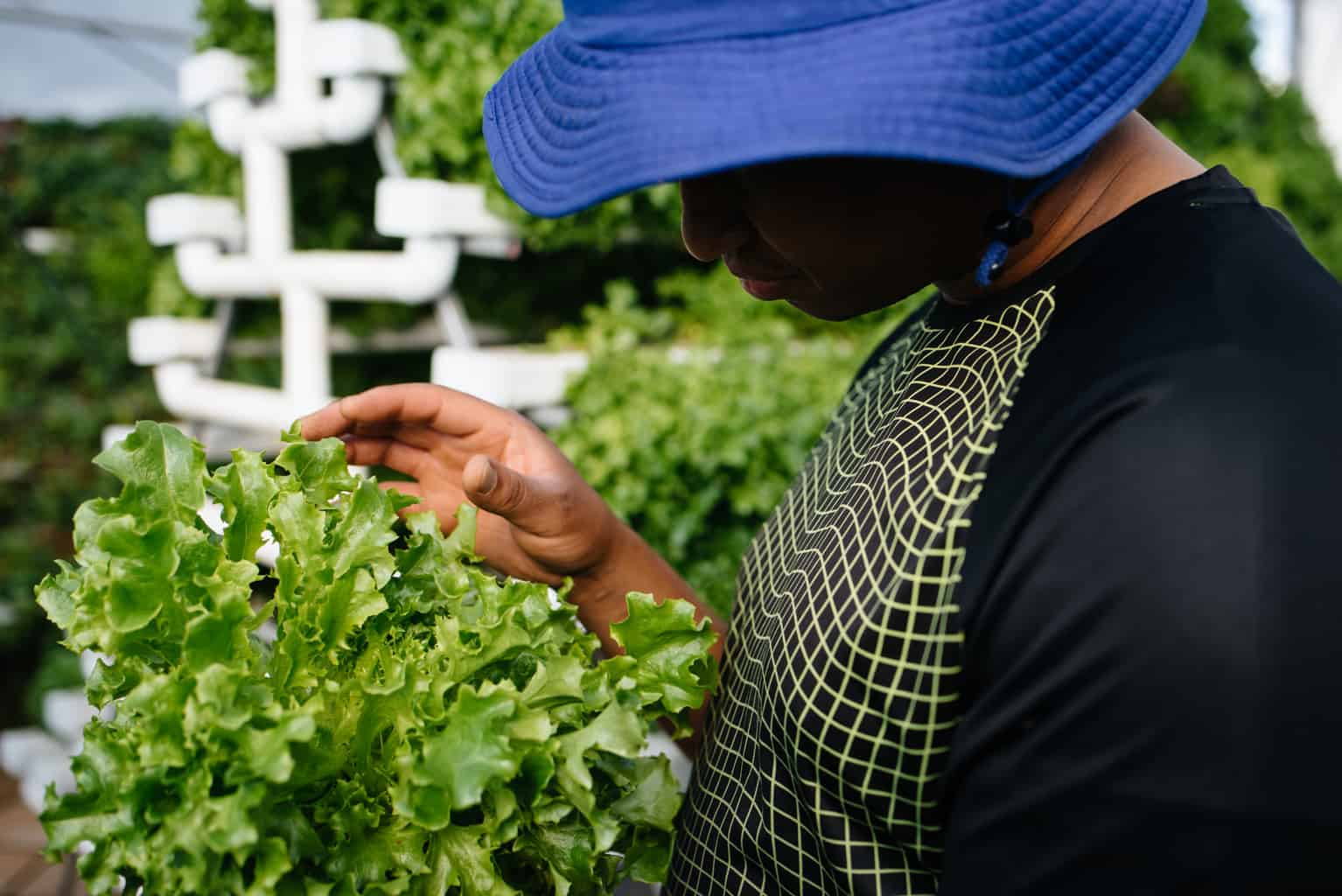
What comes next?
19th September 2019
Move over, Farmer Brown. Wouldn’t It Be Cool’s urban farmers are redefining agriculture as we know it.
Heroine of the harvest
Growing up in a rural area, Puseletso Mamogale always had an interest in growing her own food, so her decision to study vegetable production was an obvious one. This led to her first farming experience in Walkerville, Gauteng. When, in 2017, she learned of the opportunities offered by WIBC, she didn’t hesitate to apply to the incubator.
Puseletso says that her time with WIBC has been incredibly valuable. “My previous experience obviously stood me in good stead when it came to farming, but I knew little about the business side of things. WIBC taught me so much – I’m now able to go out there and find a market, and match it to my product.”

That product includes lettuce and basil, which she sells to a distribution company as well as the Johannesburg Fresh Produce Market.
Puseletso has big plans for developing her rooftop farm: “My space is capable of accommodating 3 600 plants, so I’m looking to introduce new growing systems which will allow me to grow other plants, like rocket, parsley and mint – I’ve already had requests for these products from clients.”
She’s also keen to expand her clientele. “In the beginning, I battled to find a direct market for my products, like catering companies and restaurants, because they preferred to buy from large producers. Little by little, however, they’ve come to learn what the business is about, and an increasing number of them are showing interest.”
When life gives you lemon balm…
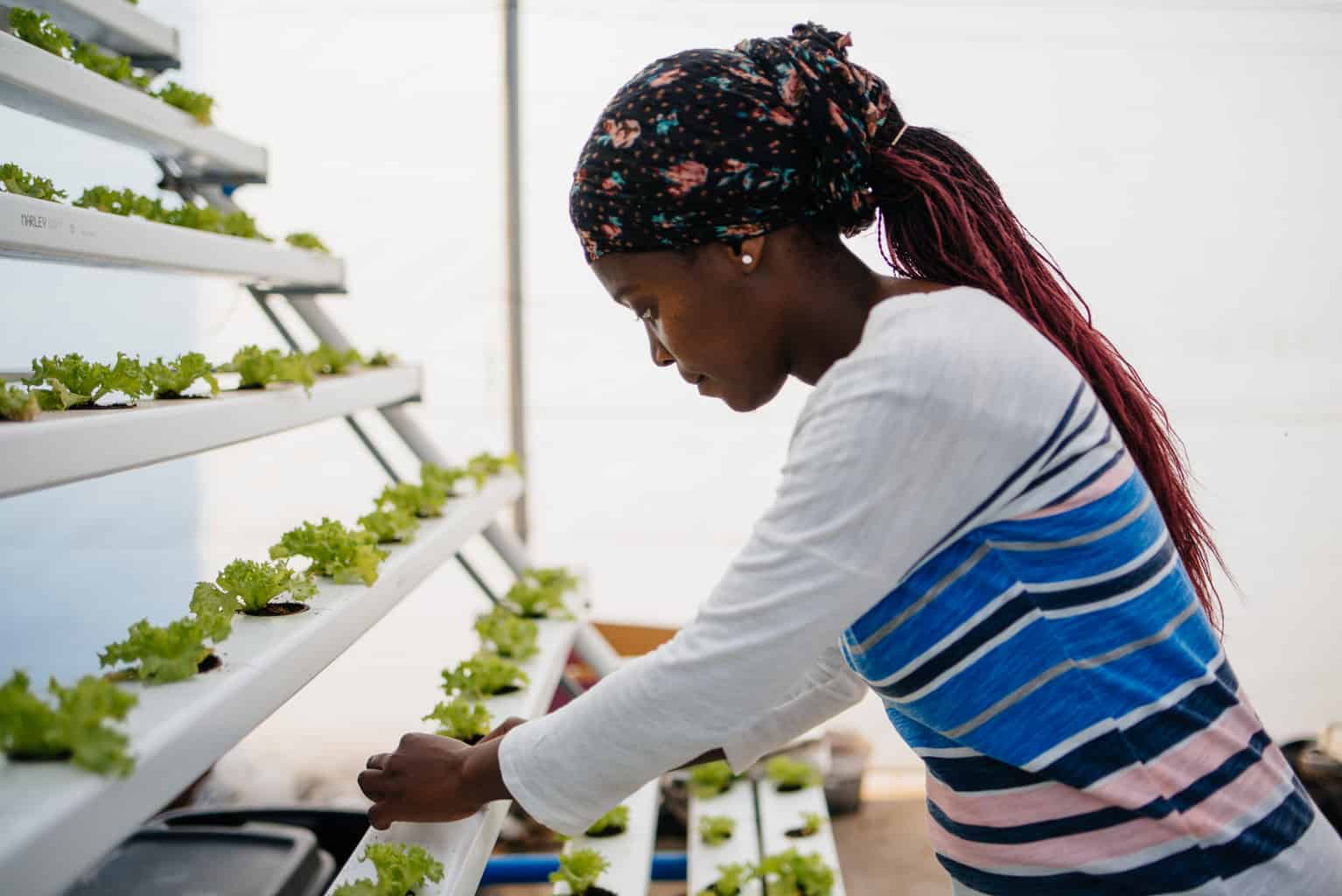
Kagiso Seleka sells lettuce to restaurants in Johannesburg’s inner city, and also makes lemon pesto with his own lemon balm, which he sells on to a large eatery. “Sometimes, we sell the lettuce to WIBC, which has a supply contract with Food Lovers Market,” he explains.
Kagiso joined the project in April 2018, having first heard about it through the Urban Agriculture Initiative. “A friend of mine posted their call for entrepreneurs to join the incubation programme,” he recalls. After undergoing training, he received his farm in October – and, since then, has gone on to cultivate a 2 400-plant site. Half of these are oak leaf lettuce, both red and green varieties, while the remainder are lemon balm, a member of the mint family.
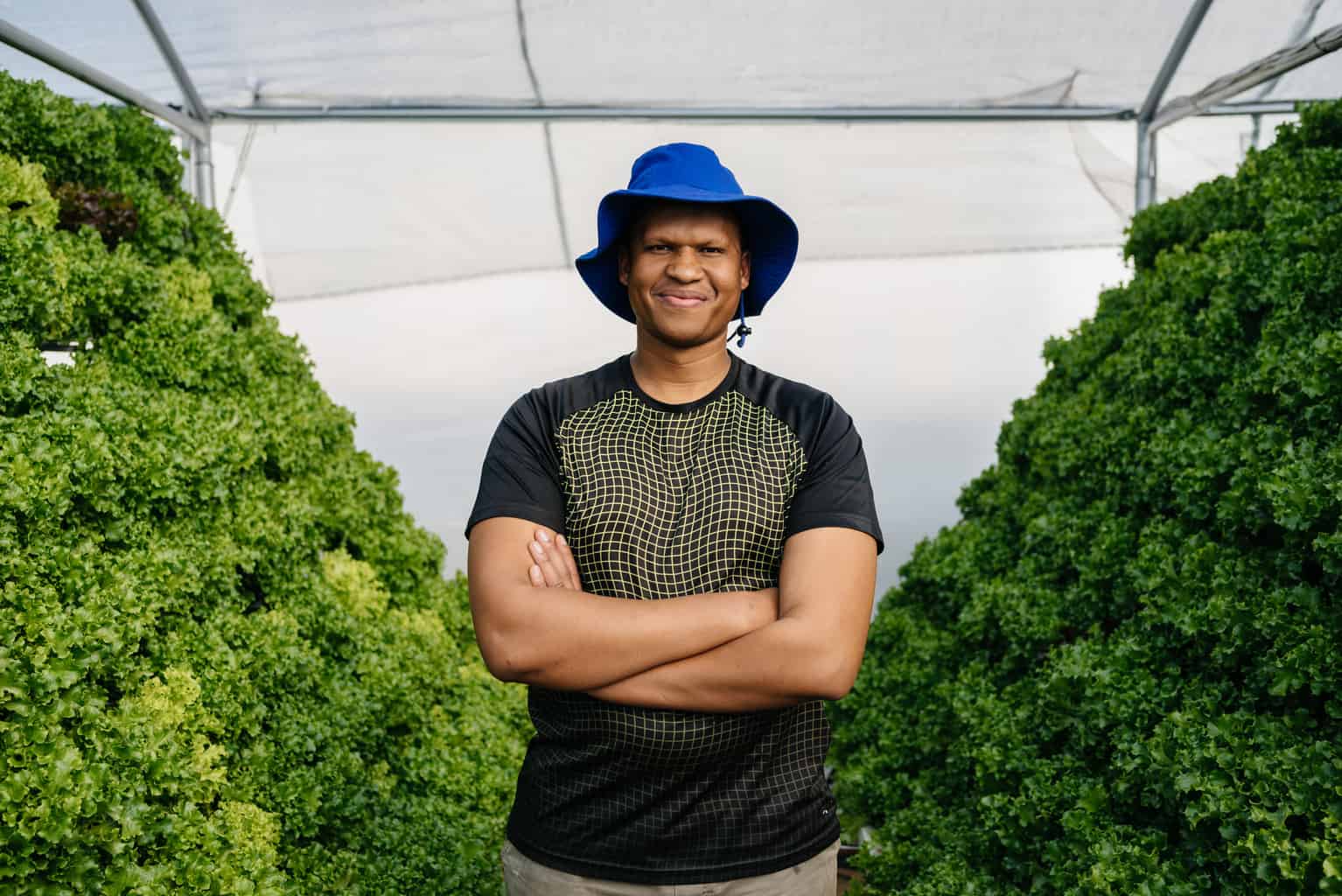
Participating in the programme has been both exciting and daunting, Kagiso admits. “Initially, we struggled to find a market to buy our produce. We’ve since addressed that hurdle, although we always hope to increase our sales, of course. From a technical point of view, it can be difficult to regulate greenhouse temperatures: things get very hot in summer and very cold in summer, and there’s not much we can do, especially because of the high cost of heating. Loadshedding can also interrupt operations, because hydroponics rely on water circulation to keep the roots wet.”
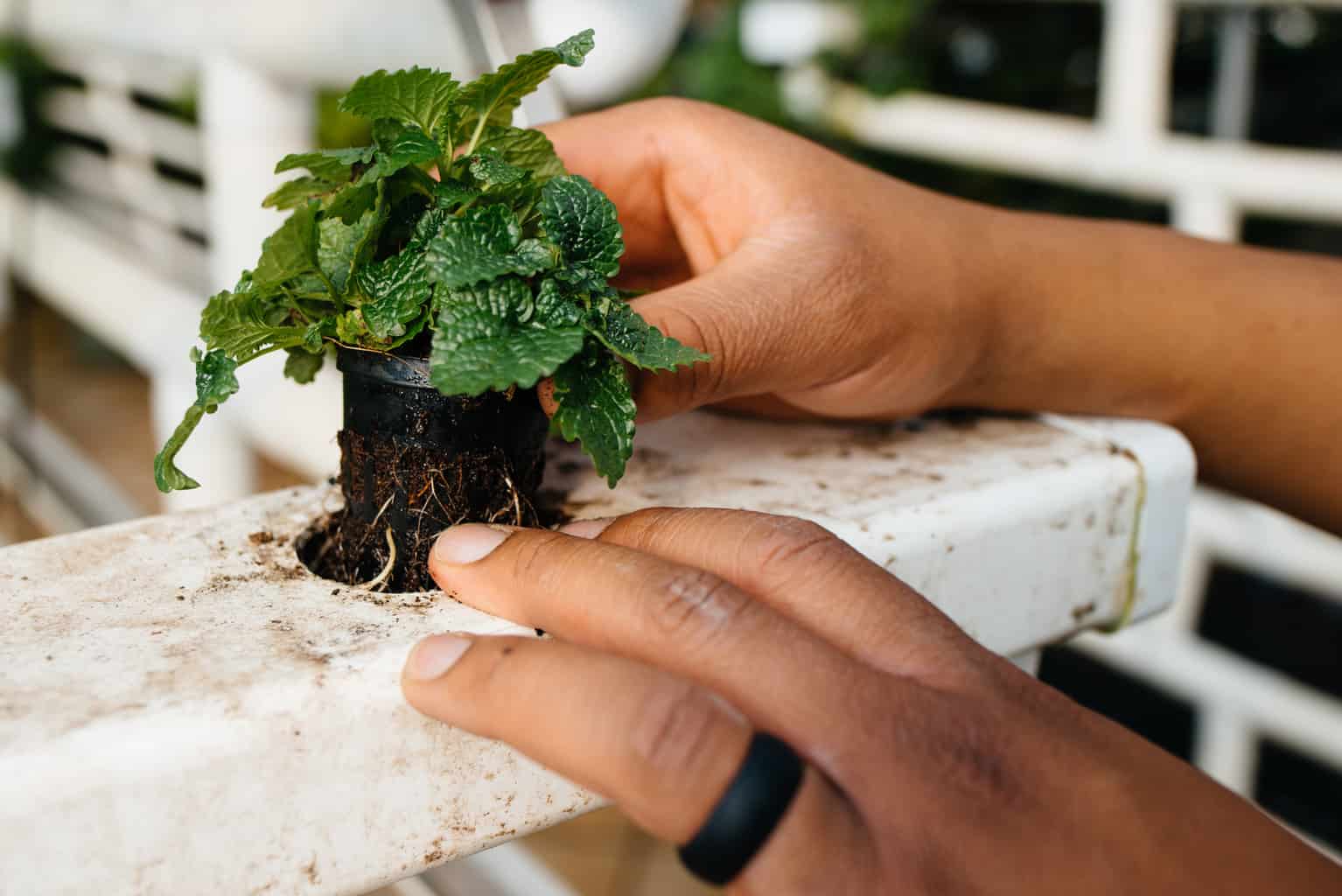
On the flipside, he continues, there’s a real satisfaction that comes from servicing customers. “I was thrilled when one of Johannesburg’s big restaurants agreed to buy my pesto, especially when they gave me great feedback about the product – that stands out as a huge highlight. It’s also been exciting to see the potential of the lemon balm harvest: I sent the plants for essential oil tests, and found they produce good yields. This means that we may be able to expand to produce essential oils, so there are great opportunities ahead.”
Grobank is excited about this initiative that uses the agricultural sector as a way to fight urban unemployment and to secure much-needed housing for the homeless. As a Bank with the ambition to become a leading food and agricultural Bank, we are well positioned to support this initiative and enable the spreading of these micro enterprises like a wildfire. We are keen to support both the initiative and the individual entrepreneurs with comprehensive banking solutions. – Grobank CEO, Bennie van Rooy
Text by Lisa Witepski. Images by James Puttick.