

Joburg’s rooftop farmlands
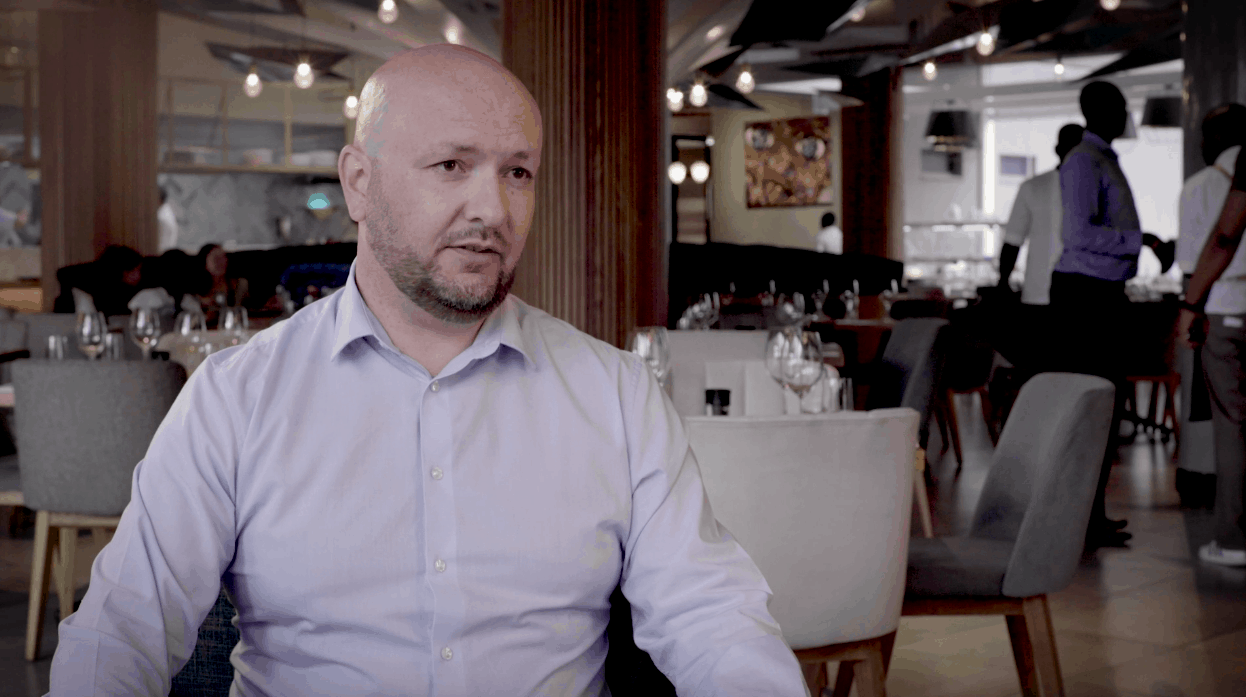
Darryl Adriaanzen, Executive: Personal and Business Banking – On Relationships
23rd July 2019
Why alliance banking is key to economic growth
21st August 2019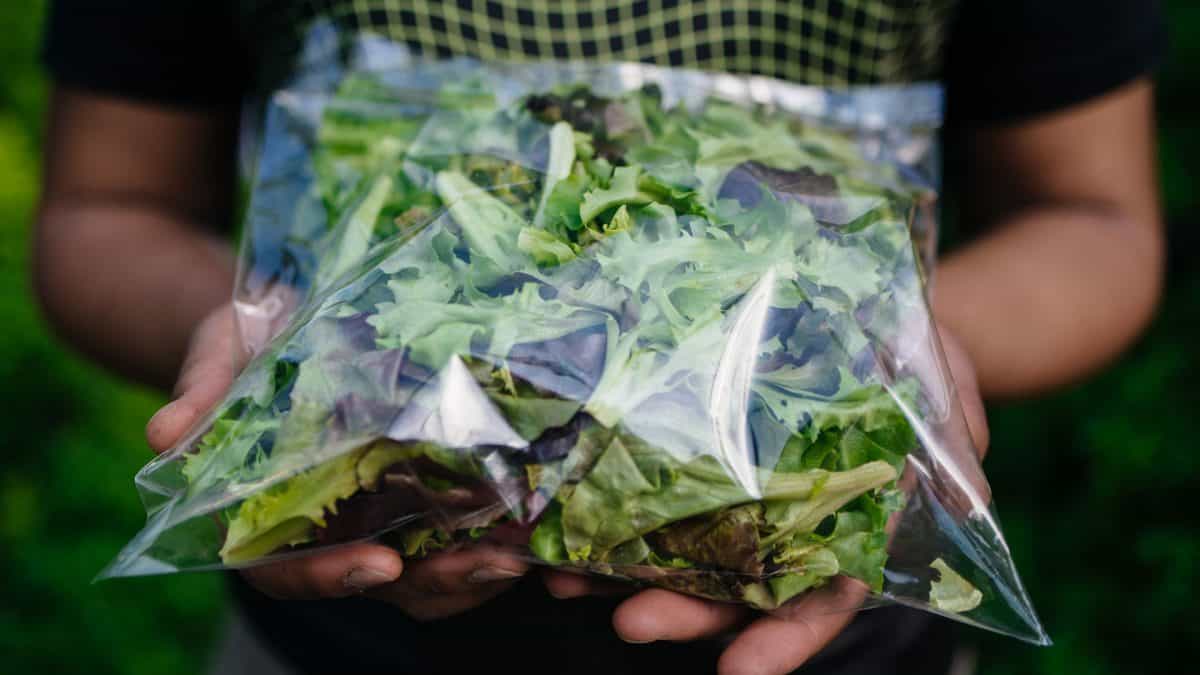
By transforming Johannesburg’s inner city rooftops into urban farms, entrepreneur incubator, Wouldn’t It be Cool, has created a unique solution to unemployment and supporting food security.
Once upon a time, Johannesburg’s inner-city thrummed with the energy of office workers bustling about the streets on their way to work, or stopping for a drink and a chat before heading home. Then came the great office exodus, with many of the city’s blue chips opting for the apparently cleaner and more secure streets of Sandton. All that was left was the shell of the city.
“We realised we needed to bring back Johannesburg’s energy and excitement,” recalls Halaliswe Msimang, technical and operations director at Wouldn’t It Be Cool (WIBC). And so the region’s property owners embarked on a campaign to clean up the parks, refurbish the buildings and tidy up the streets. But, laudable though these efforts were, they failed to address one of the city’s most critical problems: the high rate of homelessness and unemployment. “We realised that both problems were linked – even if we introduced low-cost housing, our unemployed citizens wouldn’t be able to afford it,” Msimang says.
The city stakeholders looked to an unusual ally in the agricultural sector as a possible solution, as it’s a labour-intensive industry with a supply chain that can accommodate a variety of jobs, from growing food to packaging and selling it. At the same time, it provided a built-in answer to providing food for the homeless.
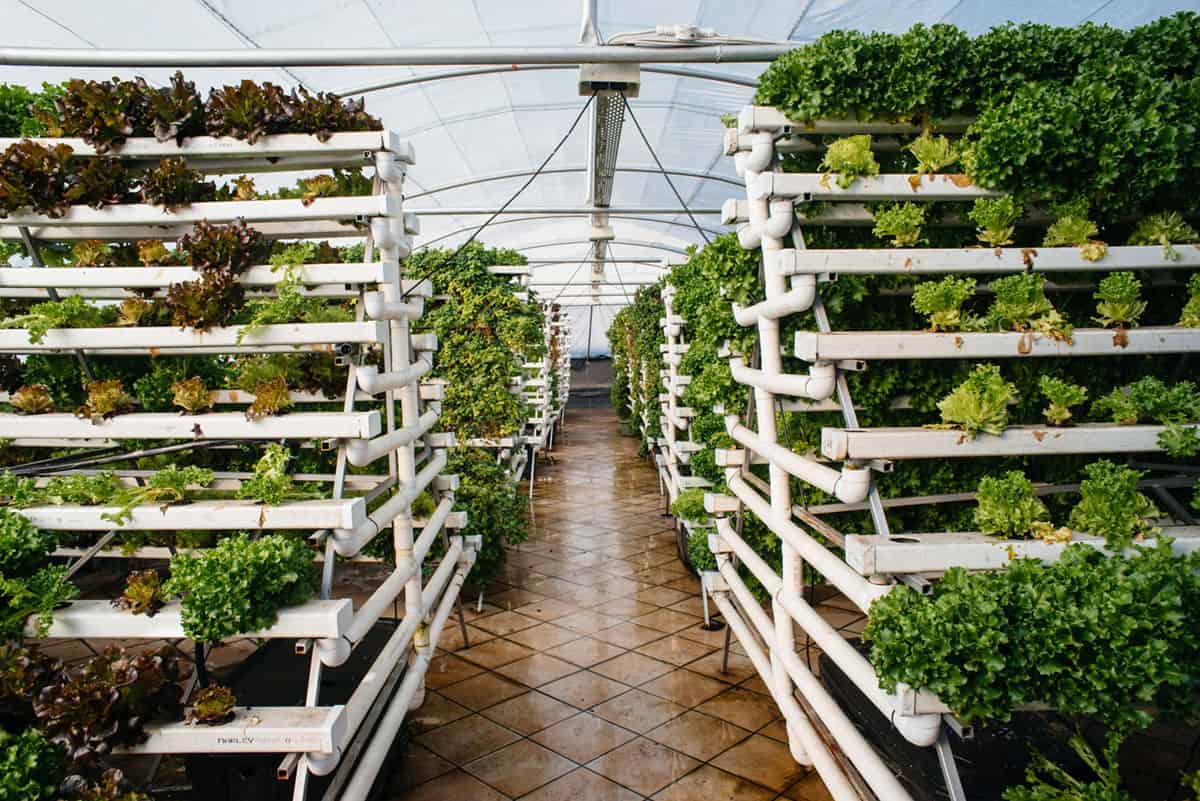
The hitch, of course, is that Johannesburg isn’t known for its rolling farmlands. “In the absence of large tracts of land, we decided that we would still be able to pursue an agricultural solution if we used hydroponics,” says Msimang. With so many building rooftops unused, it made sense to site the project above street level; the added advantage of vertical growing being that it allowed farmers to use more space than traditional farming methods.
Launched with funding from the Small Enterprise Development Agency, WIBC put out a call to people interested in starting a career as an agricultural entrepreneur. Although the programme targets youth, it also favours women and the disabled. These would-be farmers are invited to present their ideas for a sustainable business, such as selling spinach to local supermarkets, before a panel comprising Johannesburg inner city property owners and other stakeholders – and, if they’re selected to become part of the incubator, WIBC spends the next three months helping them hone their entrepreneurial skills. “We look at all areas, from how to identify customers to assessing whether the product is right, business development and marketing,” Msimang explains.
The next step is to assign each incubatee a structure, complete with panel, growing system and the first batch of seedlings, so that they can begin farming. Structures are allocated according to the location of the entrepreneur’s market; the idea being to reduce the distances required for transport and thereby cut down carbon footprint. “Our entrepreneurs usually start making money within the first four weeks, and every cent goes directly into their pockets,” says Msimang. They’re required to pay back WIBC investment only after 12 months, once their business is on a solid standing.

With 23 entrepreneurs getting their start through WIBC, the project has grown beyond crop farming, to include agro-processors, fishing, packaging and production. It’s spread geographically, too, with rooftop farms popping up in Soweto, the Vaal, Pretoria and, soon, Midrand – in fact, says Msimang, the organisation is currently investigating sites in Mpumalanga.
“Our ultimate goal is to operate in all nine provinces,” she states – an aim that is firmly in sight.
Grobank is excited about this initiative that uses the agricultural sector as a way to fight urban unemployment and to secure much-needed housing for the homeless. As a Bank with the ambition to become a leading food and agricultural Bank, we are well positioned to support this initiative and enable the spreading of these micro enterprises like a wildfire. We are keen to support both the initiative and the individual entrepreneurs with comprehensive banking solutions. – Grobank CEO, Bennie van Rooy
Text by Lisa Witepski. Images by James Puttick.