

Increased Crop Production Through Technology
World feed production increased by 3%
1st April 2019
Future of World Food in Africa’s Hands?
1st April 2019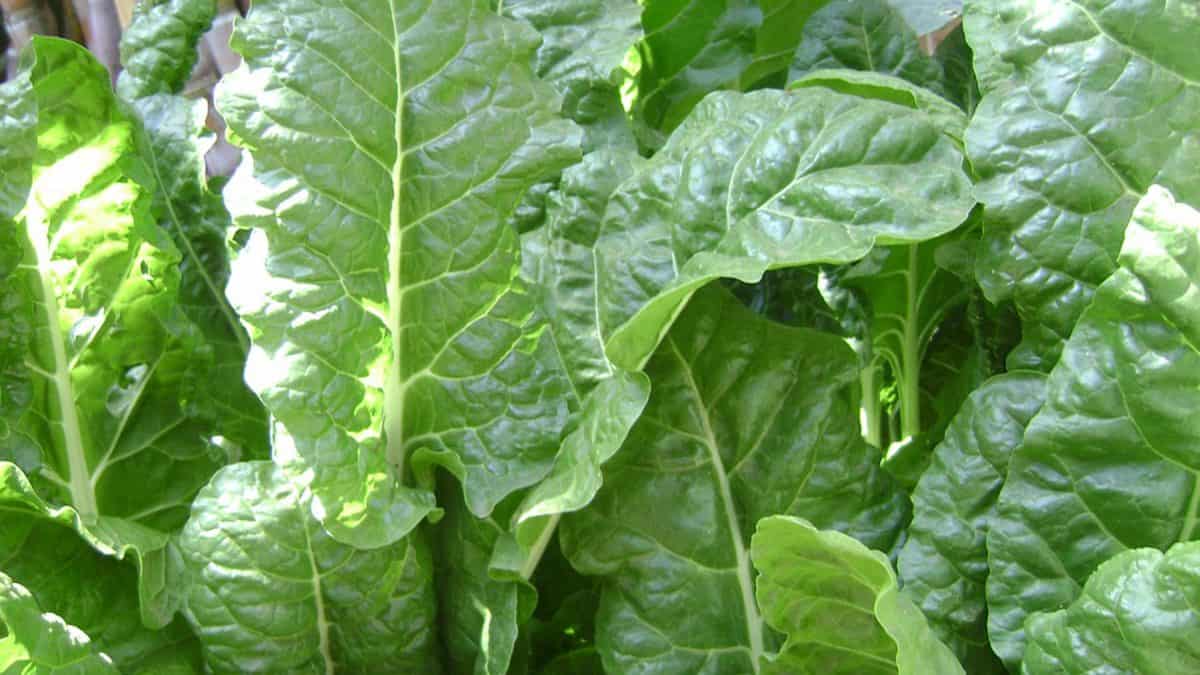
‘When the well is dry, we will know the worth of water.’ This quote by Benjamin Franklin resonates deep with South African farmers.”
Most of South Africa’s agricultural land have high filtration rates and a low water-holding capacity, which results in 70% of irrigation and rain water, as well as fertiliser and plant nutrients leaching into the soil. To ensure long-term productivity and quality crops at a minimum cost, new technology and sustainable solutions are required.
Over the winter months, Harvest Time Investments and AJ Multitech (Pty) Ltd tested a promising new product, Polyter, at AFGRI’s experimental farm at Vastfontein.
Polyter Technology
Polyter was developed over a period of 20 years by a French agricultural engineer, Philippe Ouaki di Giorno. The product was developed to reduce dependence on water resources, specifically in areas where water security is a serious threat.
Polyter is a granulate that consists of 95% cellulose, 5% potassium polyacrylate, N, P, K and six trace elements (boron, copper, iron, manganese, molybdenum and zinc).
It can absorb water up to 500 times its original weight and creates nodules, or water pockets, amongst the plants’ roots. The nodules act like micro sponges that absorb moisture and dissolve fertiliser and plant nutrients continuously throughout its three to five year lifespan. Water and nutrients that would ordinarily leach away therefore become concentrated and available to the roots of plants, which extract the water and nutrients by way of osmosis. The product has a pH of 6,5 to 7 and is naturally bio-degradable in the soil over a period of three to five years.
Both cellulose and potassium polyacrylates are digested by soil bacteria. (The Cofrac 108 study via ANSES in Europe is a compulsory test for all manufacturers of superabsorbent polymers.)
Composition as per laboratory analysis
| N | 0,72% |
| P | 0,31% |
| K | 1,41% |
| Ca | 0,38% |
| Mg | 0,06% |
| S | 0,21% |
| Na | 0,33% |
| Fe | 672 mg/kg |
| Mn | 35 mg/kg |
| Ca | 15,7 mg/kg |
| Zn | 27,3 mg/kg |
| B | 41,9 mg/kg |
| Mo | 1,39 mg/kg |
Trial results
Trials conducted have already shown great promise. Lettuce and spinach were used in the trials, as it served as part of a training programme for upcoming farmers.
The conclusion of the trials are as follows:
- Substantial increase in root development (up to 120%) versus control;
- Promoted germination, regrowth and plant development, which translates into increased crop cycles per season;
- Higher quality product and increased yield versus control
- All results were attained with 50% less water and fertiliser inputs.
Economics
The cost-saving effect that Polyter has on a farming operation means that input costs can be reduced significantly. Its use enables plants to deliver a yield even in the harshest of conditions, reducing risks associated with dryland farming. The resultant increased yield size and quality translate directly into better local market prices and a competitive advantage in export markets.
Polyter is universally applicable and advantageous for all plant species. It can benefit dryland and irrigation farmers, farming with grains, vegetables, fruits and nuts. It can greatly contribute to more efficient water use and production methods in the forestry, horticulture and viticulture sectors. The product is also suitable for use in hydroponic and aquaponic systems.
Climate change is tightening its grip and is forcing change upon the industry. The time has come to start using new and innovative products, adapt to changing conditions and implement new technology to efficiently make use of limited resources to guarantee Healthy root growth of spinach. the future of agriculture and food security.
Article republished with the kind permission of Afgriland
Afgriland Jan/Feb 2019